Do Multivitamins Actually Work? Science Says…

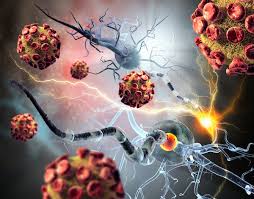
Our immune system is designed to protect us from germs and infections. But sometimes, it gets confused and starts attacking the body’s own healthy cells instead. That’s what happens in autoimmune diseases like lupus, type 1 diabetes, or multiple sclerosis.
In recent decades, these conditions have become more common around the world. Scientists believe this increase is linked to changes in our modern lifestyle and environment—from the food we eat to the stress we face every day.
Genes play a role in autoimmune diseases, but they aren’t the whole story. If someone in your family has an autoimmune condition—like lupus or Hashimoto’s thyroiditis—you may have a higher chance of developing one too. Still, genes only set the stage; it’s the mix of environment and lifestyle that often triggers the disease.
About three out of every four people with autoimmune diseases are women. Hormones like estrogen and testosterone influence how the immune system works.
Hormones don’t just come from inside the body. They can also come from foods, birth control, or even skincare products, which can affect hormone balance and immune function.
Many products we use every day—like plastics, pesticides,cosmetics, and cleaning items—contain chemicals called endocrine disruptors. These substances can interfere with hormones and confuse the immune system. Over time, this can increase the risk of autoimmune reactions.
Around 70% of our immune system lives in the gut. A diet filled with processed foods and low in fiber can throw off the balance of healthy bacteria there. Antibiotics and certain additives can make things worse. When gut health suffers, the immune system becomes more likely to overreact and attack the body’s own cells.
Constant stress and lack of rest can weaken immune balance. High stress levels can cause inflammation and make autoimmune flare-ups worse. Managing stress through rest, exercise, and mindfulness can help the body stay more resilient.
Autoimmune diseases are rising because our world—and the way we live in it—has changed. From pollution and stress to diet and hormones, our immune systems are reacting to an environment that’s very different from what our bodies evolved for.
While there’s still much to learn, taking steps to reduce chemical exposure, eat whole foods, care for gut health, and manage stress can go a long way in keeping our immune systems balanced and strong.
One update per week. All the latest news directly in your inbox.